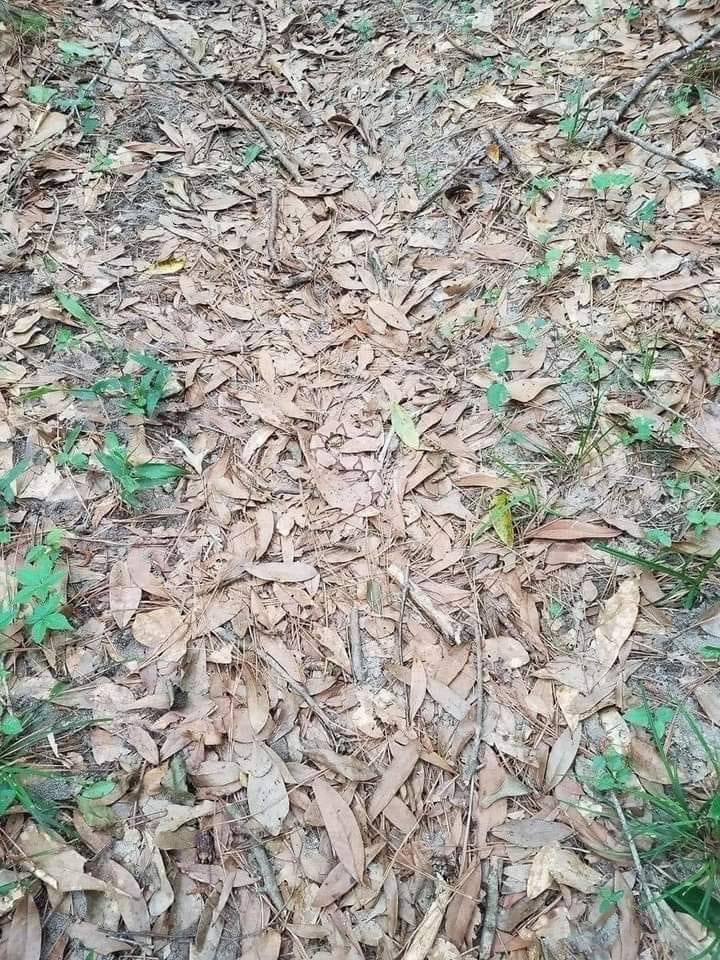
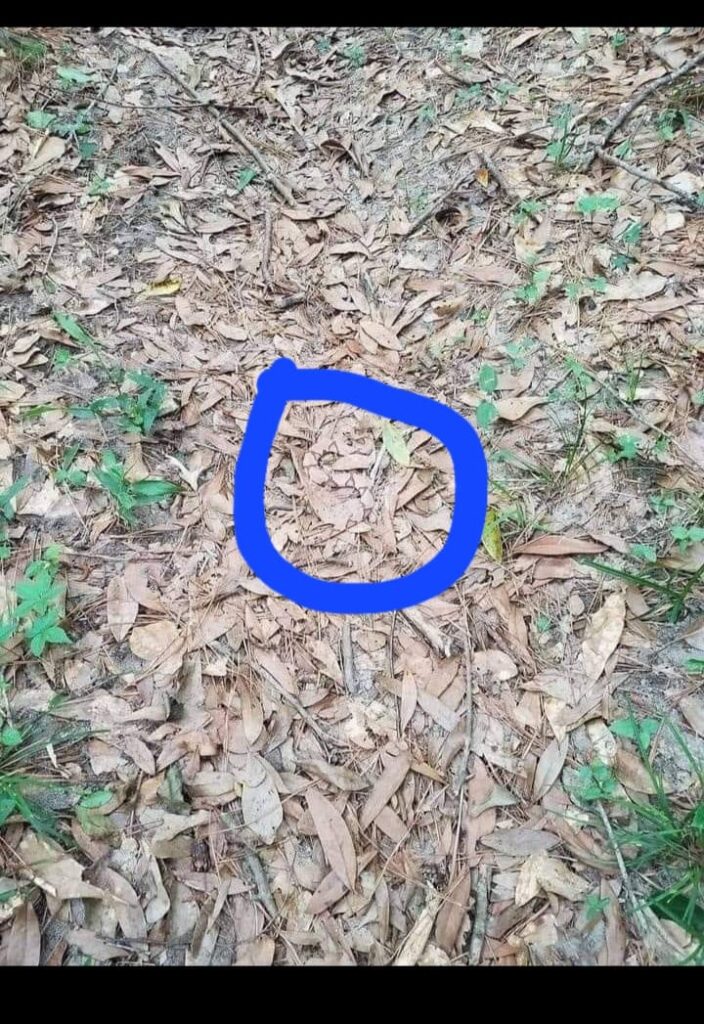
There are instances when we see an image and we just don’t know what it means. Now, a new viral picture has everyone wondering what it conceals.
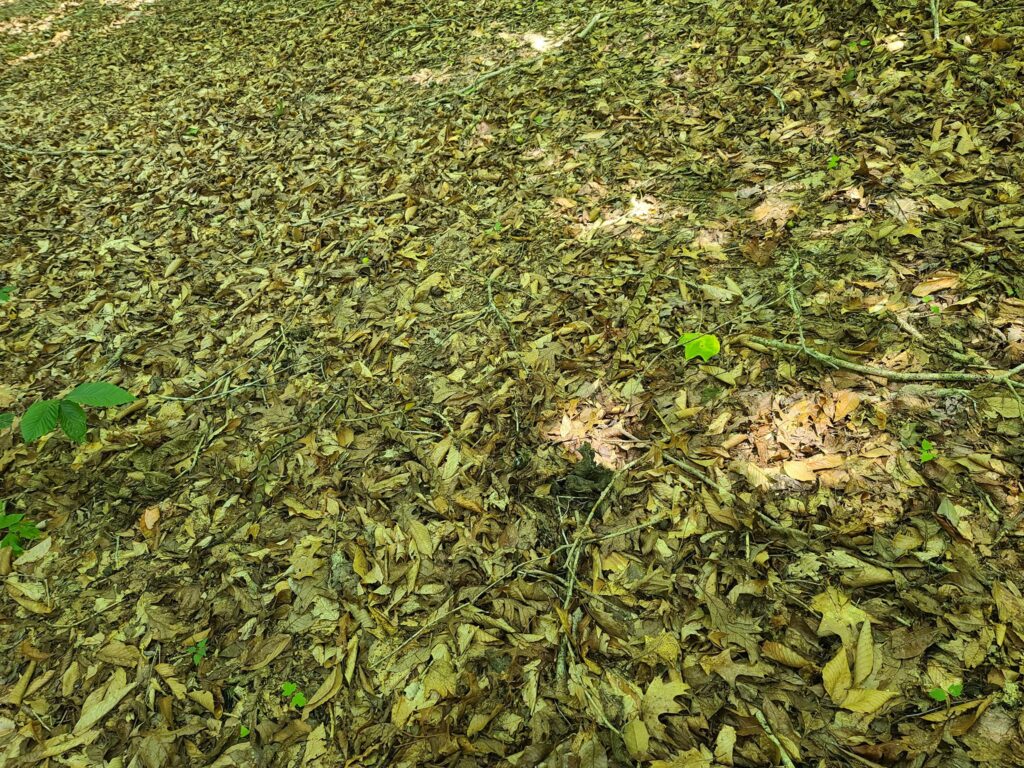
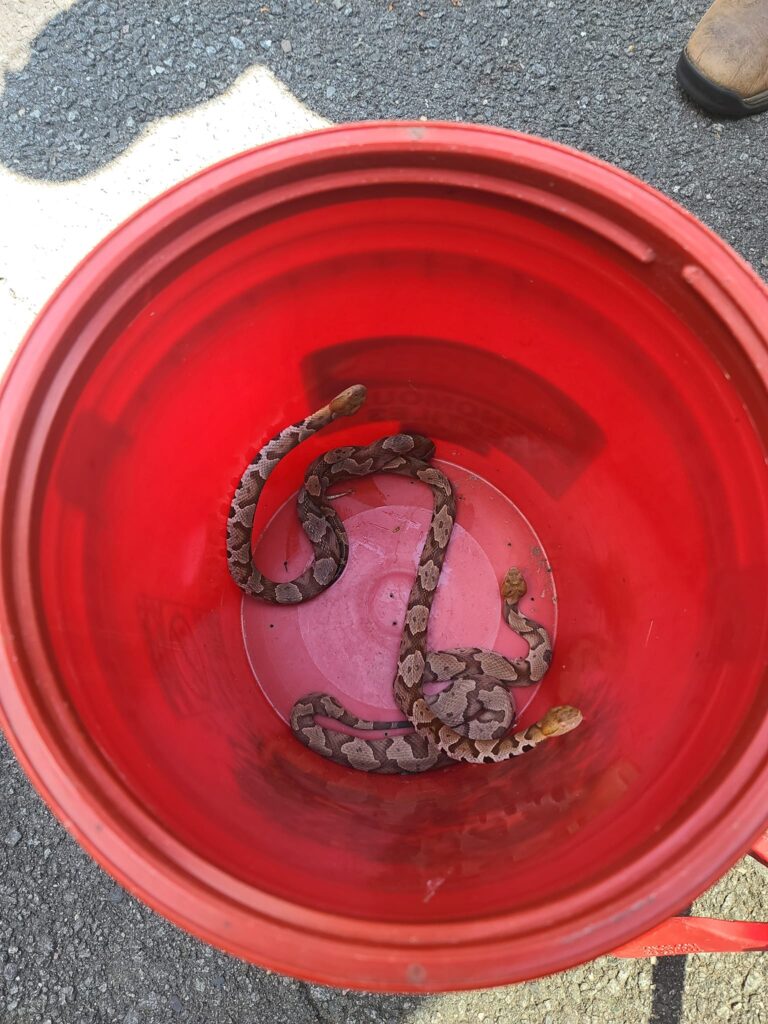
Read on to learn more about the hidden dangers that surround you. A bite’s effects can be undone with medical attention. About 2,920 of the 7,000-8,000 annual snake attacks in the United States are attributable to copperheads, according to studies. Rather than slither away when confronted, as most snakes do, copperheads freeze and blend into their environment, an amazing but potentially fatal skill. Because they are so adept at camouflage, predators (both human and nonhuman) who come too close to these snakes are often killed. A Fairfax, Virginia dog owner recently contacted K2C Wildlife Encounters after discovering three Copperheads in the yard. When wildlife control finally came, they were able to locate the elusive reptiles thanks to their keen eyes. Later, the rescue team posted two photographs of a snake and challenged people to identify it. When asked about the first image, a user said, “Need to draw a red hat on it so we can do a Where’s Waldo.” The image in question appears to be lush green grass. The next picture is of three copperhead snakes in a red bucket. “Look what happens when you have copperheads in leaves,” K2C Wildlife Encounters wrote in a Facebook post. “Magic, they disappear!” “Snakes are often demonized in the media, and then myths and urban legends play on those created fears,” Bonnie Keller, K2C Wildlife Encounters cofounder, said. “Snakes of any species are much less likely to cause you harm than a dog, horse, cat [or] even a rabbit.” Keller recommends that those who live in snake-infested areas educate themselves by reading up on the subject. “Learn about your local snakes so that you understand what they look like and where they are most likely to be found. Knowledge is power.” You should always seek medical attention after being bitten by any kind of snake, poisonous or not. And keep in mind that snakes, however repulsive they may be, serve a crucial ecological function. If you spot one, do not approach it; if it enters your home, call a pest control agency.